How to Scale Recipes for Large Gatherings
Cooking for 20, 50, or 100 people is enough to make even seasoned home cooks sweat.
Aside from the puzzle of fitting everything into your oven, scaling up flavors and portions isn't just simple math. Let's talk about how to plan portions and scale your recipes without losing your mind.
Quick Rules for Crowd Cooking
- ›Portions by the Numbers: Stick to solid raw weights per person—like 225g of raw meat or 85g of dry pasta—so you buy the right amount.
- ›Go Easy on Spices: Spices build up fast in big pots. Multiply your seasonings by only 60-70% of the calculated math first, then taste and adjust.
- ›Plan for Meat Shrinkage: Meat loses about 25% of its weight when cooked. Keep this in mind when buying from the butcher.
- ›Cook in Batches: Don't cram four pans of veggies into one oven. They will just steam and get soggy. Bake them in batches so they get nice and crispy.
Scale for a Crowd Instantly
Planning a big get-together? Use our free Servings Calculator to enter your target servings and get scaled ingredients in seconds.
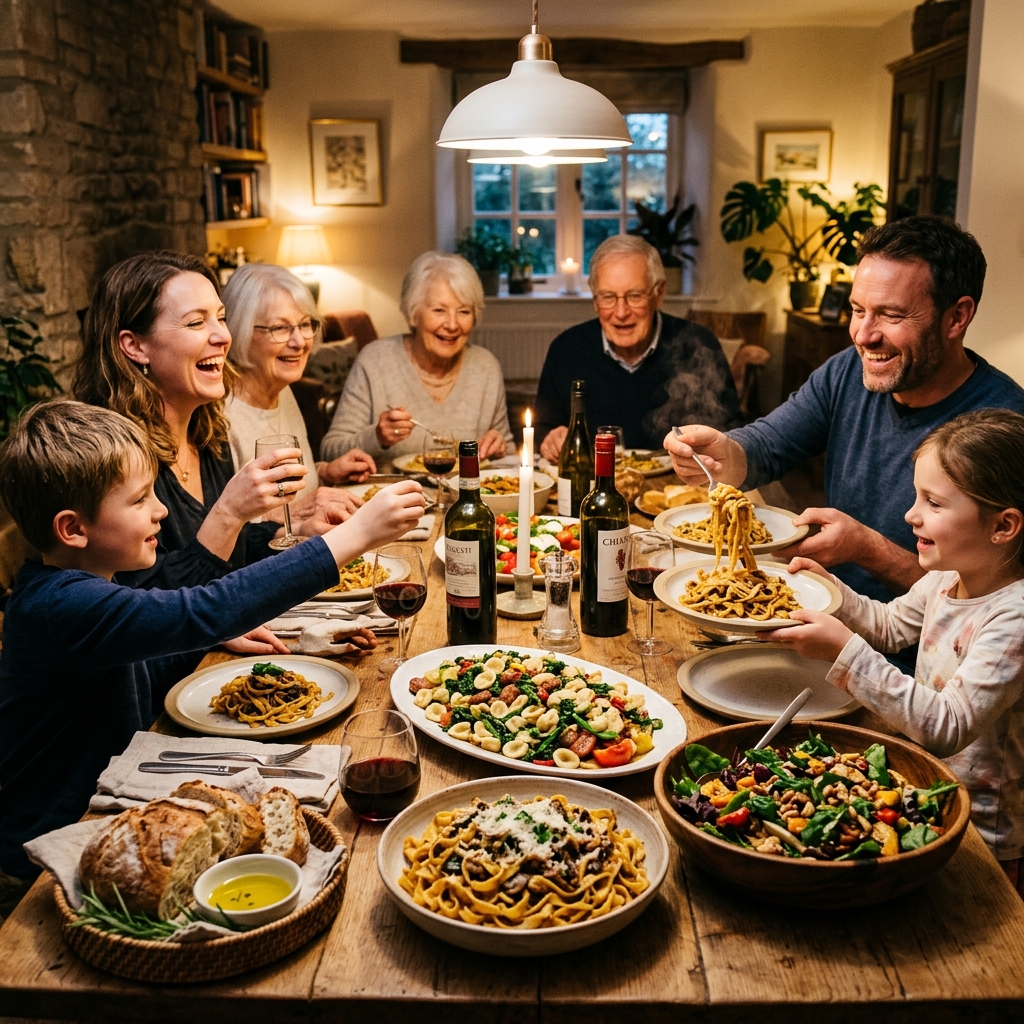
Standard Portions for Crowds
When you are mapping out a big dinner, use these portion estimates per adult to figure out how much raw food to buy:
| Food Type | Portion per Person (Raw) | Cooked Yield / Person | For 10 Guests | For 50 Guests |
|---|---|---|---|---|
| Boneless Meat / Poultry | 225g / 8 oz | 170g / 6 oz | 2.25 kg / 5 lbs | 11.25 kg / 25 lbs |
| Dry Pasta | 85g / 3 oz | 220g / 8 oz | 850g / 1.8 lbs | 4.25 kg / 9.4 lbs |
| Raw Rice | 65g / 2.2 oz | 200g / 7 oz | 650g / 1.4 lbs | 3.25 kg / 7.2 lbs |
| Vegetables (Trimmed) | 150g / 5 oz | 115g / 4 oz | 1.5 kg / 3.3 lbs | 7.5 kg / 16.5 lbs |
| Salad Greens | 45g / 1.5 oz | N/A | 450g / 1.0 lb | 2.25 kg / 5.0 lbs |
Be careful: spices don't scale 1:1. When scaling a recipe above 5×, scale your spices to about 60% of the calculated math, then taste and add more. It's much easier to add spice than to fix a pot that's too hot.
Survival Tips for a Small Kitchen
The hardest part of crowd cooking at home is running out of space. Here is how to keep things running smoothly:
- Don't Cram the Oven: Packing four sheet pans of veggies into one oven blocks hot air circulation. Your veggies will just steam and get soggy instead of roasting. Extend your bake time by 20% and rotate the pans every 10 minutes.
- Watch Your Pot Sizes: Trying to boil five pounds of pasta in a small pot turns the water into thick starch paste. Your noodles will stick together and cook unevenly. Cook in batches, drain, and toss with a little olive oil to keep them from sticking.
- Keep Food Warm Safely: Hot food needs to stay above 140°F (60°C) until serving. Keep slow cookers, chafing dishes, or your oven set to 150°F handy to hold batch-cooked dishes safely.
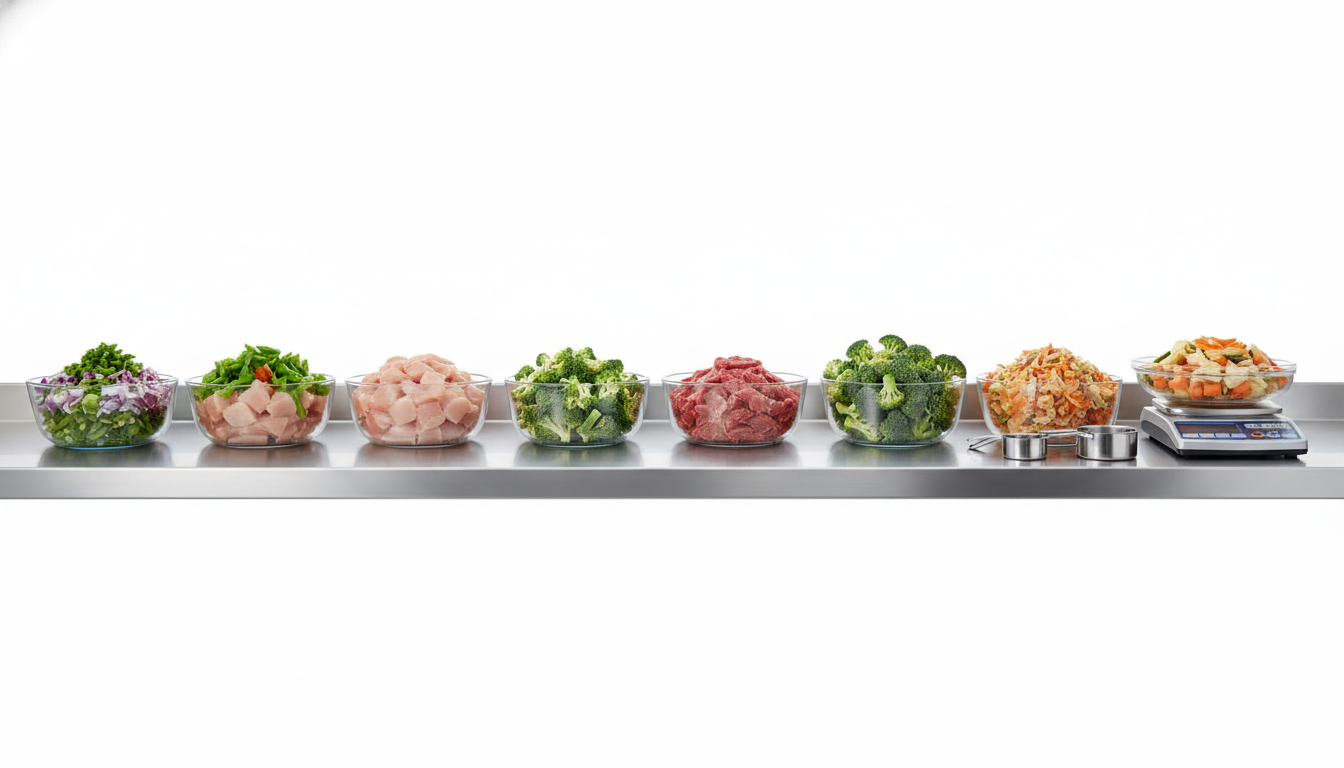
Safety Warning
Get Your Shopping List Ready
No need to do manual multiplication for 50 guests.
Use our free Servings Calculator to scale your recipes up and make sure everyone leaves full.
Other Helpful Tools
Keep these quick tools bookmarked for your next big dinner:
- Servings Calculator — Adjust recipe yields for events.
- Recipe Scaler — Scale recipe servings up or down.
- Baking Pan Size Converter — Compare areas and scale recipes between pans.
- Unit Converter — Switch between metric and imperial measurements.
The Bottom Line
Cooking for a crowd is all about planning portions and keeping your kitchen organized. Stick to raw portion weights per person, go light on the spices initially, and cook in batches so you don't overwhelm your oven. With a solid plan, you can feed a crowd without breaking a sweat.
Frequently Asked Questions
Recommended Reading
How to Scale a Recipe Up or Down Without Ruining It
Want to scale a recipe up or down? Here is how to calculate your scaling factor and adjust tricky ingredients like yeast, baking powder, and spices so your food still tastes great.
How to Double a Recipe Without Ruining the Bake
Scaling up a recipe isn't just about multiplying every ingredient by two. Here is what actually works for leaveners, spices, and baking times so your double batch turns out great.
How to Halve a Recipe Without Mistakes
Need to cut a recipe in half? Here is how to do the math, split an egg, pick the right pan, and adjust your baking time without ruining your dinner.