Oven Temperature Conversions: Fahrenheit, Celsius & Gas Mark
Picture this: you find the perfect recipe online, get all your ingredients prepped, and then realize the oven temperature is in Celsius or Gas Mark instead of Fahrenheit.
Set the wrong temp, and you'll end up with a dry cake or cookies that are burnt on the outside and raw in the middle. Let's make sure that doesn't happen. Here is how to easily translate oven temps and adjust for different types of ovens.
Quick Cheat Sheet: Common Oven Temps
- ›Low & Slow: 300°F = 150°C = Gas Mark 2
- ›Moderate (Standard Baking): 350°F = 180°C = Gas Mark 4
- ›Hotter (Cookies & Pastries): 375°F = 190°C = Gas Mark 5
- ›High Heat (Roasting & Bread): 400°F = 200°C = Gas Mark 6
- ›Convection (Fan) Rule: Always drop the temperature by 25°F (15°C) if your oven's fan is running.
Convert Oven Temps in a Tap
No need to guess. Use our free Oven Temperature Converter to switch between Fahrenheit, Celsius, and Gas Marks without the headache.
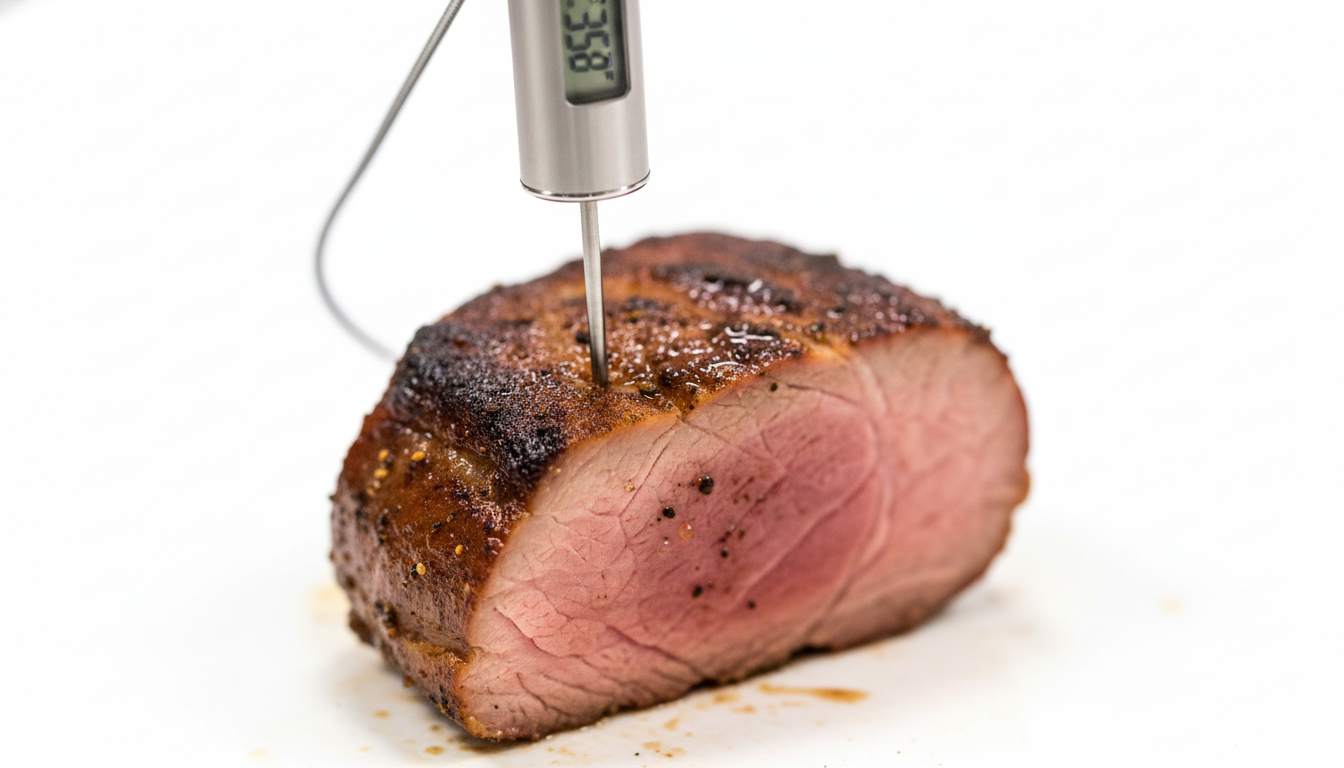
Oven Temperature Conversion Table
Keep this chart handy to quickly match whatever dial settings your recipe calls for:
| Fahrenheit (°F) | Celsius (°C) | Convection/Fan (°C) | Gas Mark | Oven Level |
|---|---|---|---|---|
| 225°F | 110°C | 95°C | 1/4 | Very Cool / Slow |
| 250°F | 120°C | 105°C | 1/2 | Cool / Slow |
| 300°F | 150°C | 135°C | 2 | Slow |
| 325°F | 160°C | 145°C | 3 | Moderate / Warm |
| 350°F | 180°C | 165°C | 4 | Moderate (Standard) |
| 375°F | 190°C | 175°C | 5 | Moderately Hot |
| 400°F | 200°C | 185°C | 6 | Hot |
| 425°F | 220°C | 205°C | 7 | Very Hot |
| 450°F | 230°C | 215°C | 8 | Very Hot / Broil |
How to Adjust for Convection (Fan) Ovens
Convection ovens use a fan to blow hot air around your food as it cooks. This gets rid of cold spots and speeds up how fast heat transfers to your food.
Since fan ovens are much more efficient than old-school static ovens, you can't just use the standard recipe temperature. Here is what you need to do:
What on Earth is a Gas Mark?
If you see "Gas Mark" in a recipe, it means it was likely written in the UK, Ireland, or Australia. Older gas ovens use numbers on the dial instead of temperatures.
The dial starts low at Gas Mark 1/4 (about 225°F / 110°C) and runs up to Gas Mark 9 (about 475°F / 240°C). If your oven uses these numbers, use the chart above to match your dial to the recipe.
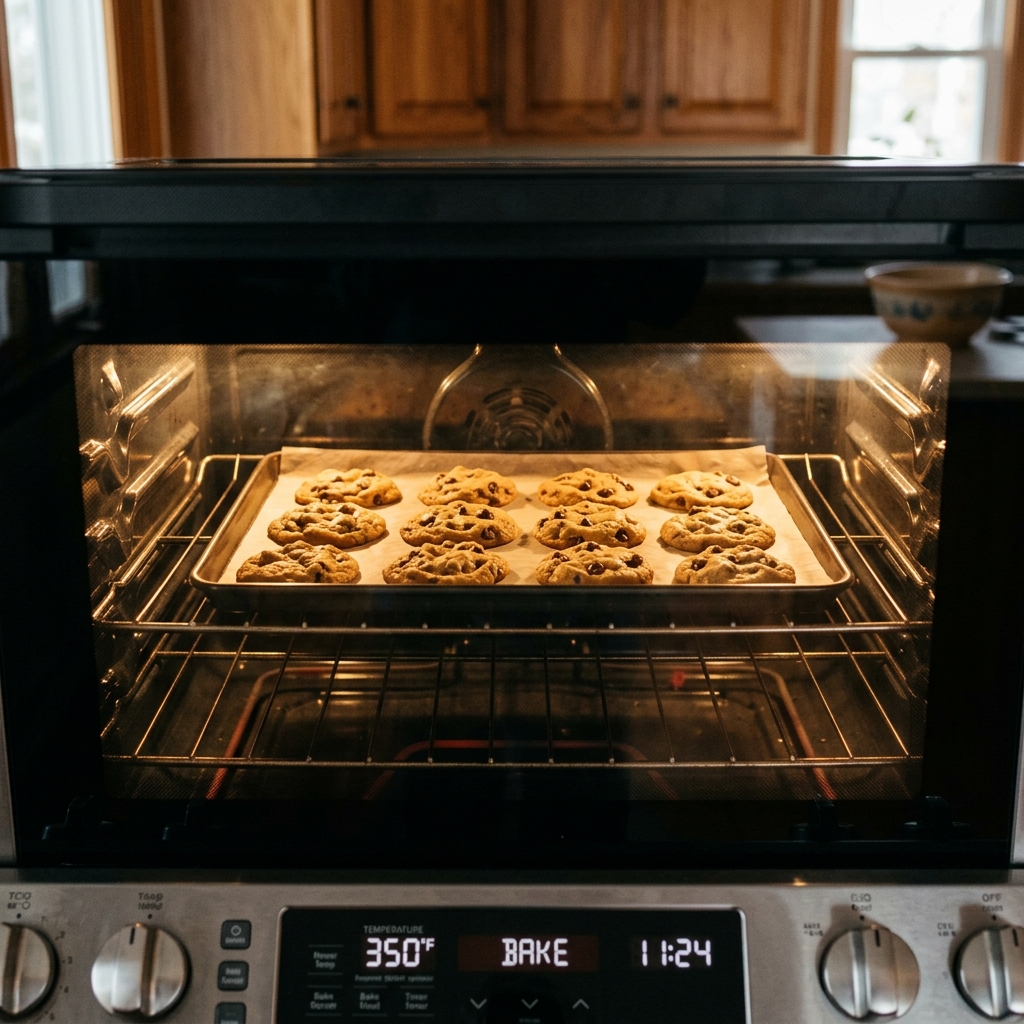
Inside the Kitchen
Skip the Guesswork
No need to do math while trying to bake.
Our Oven Temperature Converter lets you type in any Fahrenheit or Celsius temperature and instantly get the conventional, convection/fan, or Gas Mark settings. It is perfect when you are baking from international food blogs.
More Baking Tools
Keep these other converters handy for your next kitchen project:
- Oven Temperature Converter — Convert temperatures between Fahrenheit, Celsius, and Gas Marks.
- Cooking Time Scaler — Adjust cook times when altering temperatures.
- Baking Pan Size Converter — Compare surface areas of baking pans.
- Unit Converter — Switch between metric and imperial measurements.
The Bottom Line
Getting your oven temperature right is the difference between a perfect bake and a ruined dessert. Keep this quick guide bookmarked to swap between Fahrenheit, Celsius, and Gas Marks on the fly, and always remember to drop the heat by 25°F if your oven has a convection fan running.
Frequently Asked Questions
Recommended Reading
350°F to Celsius: How to Convert Oven Temperatures Without the Stress
What is 350°F in Celsius? It's 176°C (just round to 175°C). Use our simple conversion chart to switch between Fahrenheit, Celsius, Gas Marks, and fan oven settings.
How to Measure Flour Correctly: Spoon & Level vs. Scoop & Sweep
The way you scoop flour can alter your baking by 30%. Learn why the spoon-and-level method is your best bet when you don't have a scale.
Butter Measurements Explained: Sticks, Cups, Grams and Tablespoons
How much is a stick of butter? We break down the math for sticks, cups, grams, tablespoons, and ounces, plus look at European vs. American butter.