Milliliters vs. Fluid Ounces: Liquid Conversions Made Easy
Milk, water, oil, and vinegar hold your baked goods together, so getting their amounts right is a big deal.
Depending on where your recipe comes from, you might see these liquids listed in milliliters (mL) or fluid ounces (fl oz). Let's look at how to switch between the two without making a mess on your counter.
Quick Cheat Sheet: Liquid Conversions
- ›1 US Fluid Ounce (fl oz): 29.57 Milliliters (rounded to 30 mL)
- ›1 UK Fluid Ounce (fl oz): 28.41 Milliliters
- ›8 US Fluid Ounces: 236.59 Milliliters (1 standard US Customary Cup)
- ›8.45 US Fluid Ounces: 250 Milliliters (1 standard Metric Cup)
Swap Liquid Volumes in a Flash
US and UK fluid ounces aren't the same. Use our free mL and cups converter to swap volumes in seconds.
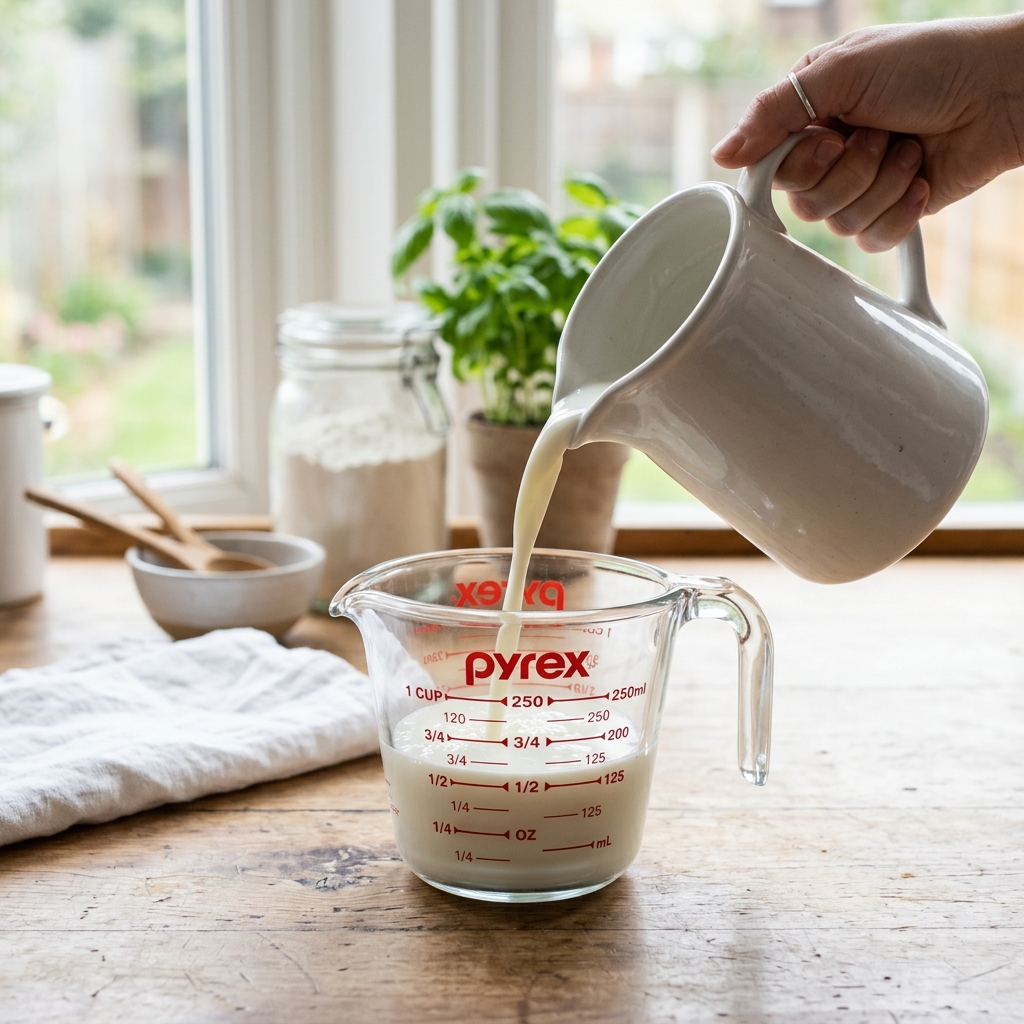
mL to Fluid Ounces Conversion Table
Here is a quick reference table to help you swap between milliliters (mL) and US fluid ounces (fl oz):
| Volume in Milliliters | US Fluid Ounces | UK Fluid Ounces | Cup Equivalent (US) |
|---|---|---|---|
| 10 ml | 0.34 fl oz | 0.35 fl oz | ~2 tsp |
| 30 ml (1 fl oz) | 1.01 fl oz | 1.06 fl oz | 2 tbsp |
| 50 ml | 1.69 fl oz | 1.76 fl oz | ~3.5 tbsp |
| 100 ml | 3.38 fl oz | 3.52 fl oz | 0.4 cups (approx. 1/3 cup) |
| 236.6 ml | 8.00 fl oz | 8.33 fl oz | 1.0 US Cup |
| 250 ml (Metric Cup) | 8.45 fl oz | 8.80 fl oz | 1.06 US Cups |
| 500 ml | 16.91 fl oz | 17.60 fl oz | 2.1 cups (approx. 1 pint) |
| 1000 ml (1 L) | 33.81 fl oz | 35.19 fl oz | 4.2 cups (approx. 1 quart) |
Watch out: a US fluid ounce is 29.57 mL, but a UK fluid ounce is 28.41 mL. Since the UK ounce is slightly smaller, their cups and quarts won't match ours either.
How to Get an Accurate Liquid Measure
Measuring liquids by volume isn't just about pouring. Here is what actually works:
- Grab a Liquid Measuring Cup: You need the kind with a spout and markings on the side. They leave room at the top so you don't spill. Trying to level liquid in a dry measuring cup is a recipe for a mess.
- Get Down to Eye Level: Set the cup on a flat counter, bend down, and look straight at it. Read the measurement from the bottom of the curved liquid line (that's the meniscus), not the edges.
- Skip the Cup and Weigh It: Since water and milk weigh exactly 1 gram per milliliter, you can weigh them on a scale (100 mL is exactly 100 grams). Trust me, this is the easiest way to avoid dirtying extra dishes.
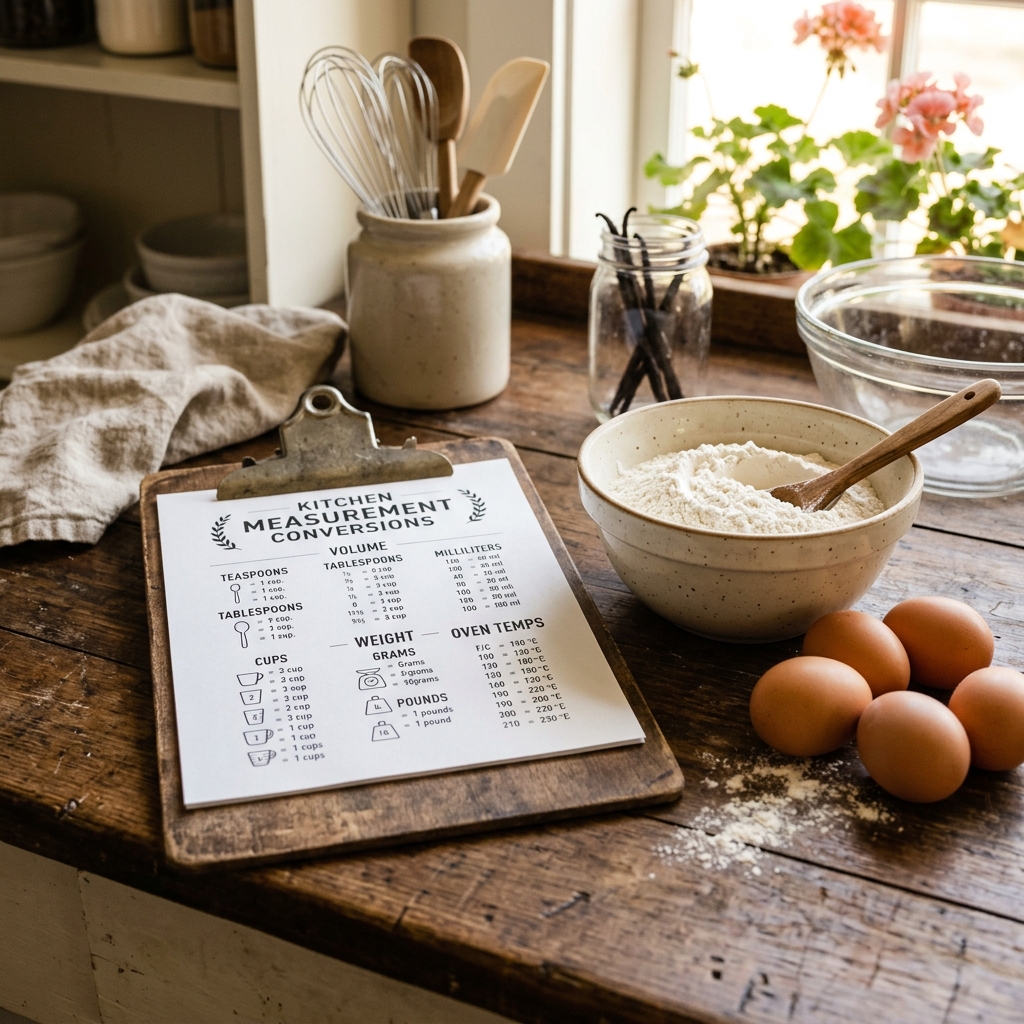
Kitchen Reference
Skip the Math
You don't need to do these conversions in your head.
Use our free mL and Cups Converter to swap milliliters for fluid ounces or regional cups instantly.
Other Helpful Tools
Keep these quick converters handy for your next bake:
- mL and Cups Converter — Convert liquid volumes across regional systems.
- Unit Converter — Switch between metric and imperial kitchen measurements.
- Ounces Converter — Convert fluid ounces to dry weights.
- Cups to Grams Converter — Convert baking cups to weight in grams.
The Bottom Line
While milliliters and fluid ounces both measure volume, they come from different systems. Once you know the conversion numbers, get down to eye level to read your cups, or use our digital tools, swapping between them becomes second nature.
Frequently Asked Questions
Recommended Reading
US Cups vs. Australian Cups: Why Your Recipe Might Be Failing
A US cup is 236.6 ml, but an Australian cup is 250 ml. Here is how that 6% difference can ruin your baking, and how to swap them easily.
How Many Grams Are in a Cup? (It's Not as Simple as You Think)
Looking for a quick way to convert cups to grams? Here is a simple, ingredient-by-ingredient guide to what one cup actually weighs in the real world.
How to Convert Any Recipe from Cups to Grams
Tired of guessing how much a cup of flour actually weighs? Here is how to convert any cup-based recipe to grams so your bakes turn out perfect every single time.